
Understanding Event Needs
Planning an event requires an in-depth understanding of the specific requirements and objectives of your client. Every event is unique, whether it’s a corporate gathering, a wedding, or a community festival. By establishing clear communication with clients, planners can tailor events to meet expectations and create memorable experiences. One essential component in this process is an effective resource, like https://www.casablancahire.co.uk/, which can provide insights and assistance throughout the planning journey.
Assessing Client Requirements
A detailed assessment of client requirements begins with open dialogue. Start by asking insightful questions that lead to a thorough understanding of the client’s vision, goals, and needs. Consider factors such as the event’s purpose, target audience, desired atmosphere, and any specific preferences the client may have. Documentation of these details is crucial for creating a solid foundation for the planning process.
As you assess requirements, pay attention to the objectives of the event. Are you aiming to foster networking, entertain, celebrate, or educate? Each objective may alter the approach to venue selection, layout design, and production choices. Look for common themes and patterns in the client’s responses to help inform decisions throughout the planning stages.
Types of Events We Cater To
Understanding the types of events that you cater to enables effective tailoring of services and expertise. A few primary categories of events include:
- Corporate Events: These include conferences, product launches, and team-building events. They often require focus on branding and professionalism.
- Social Events: Weddings, birthdays, and anniversaries fall into this category. Here, emotional and aesthetic elements are key.
- Cultural or Community Events: Festivals, exhibitions, and public gatherings aim to engage a broader audience and highlight cultural significance.
- Educational Events: Workshops, seminars, and training sessions need a structured environment conducive to learning.
Each event type has unique logistical and technical considerations. By understanding the specific needs for each, planners can assemble the right support team and resources.
Budget Considerations for Event Planning
Budgeting is a critical component of event planning. Understanding the client’s financial constraints will play a significant role in decision-making throughout the process. Begin by developing a detailed budget plan that includes all potential expenses, such as venue rental, catering, equipment hire, decoration, and entertainment.
To optimize budget allocation, prioritize essential elements first. Engage in discussions with clients about where they might want to splurge versus where they can cut costs. Offering creative suggestions can help clients achieve their vision without overspending. Furthermore, maintaining flexibility in negotiations can lead to valuable partnerships and potential discounts with vendors.
Choosing the Right Venue
Key Factors in Venue Selection
The venue you choose influences virtually every aspect of the event. Important factors to consider include:
- Size: Ensure the venue can accommodate the maximum number of attendees comfortably while providing room for staging and activities.
- Facilities: Look for venues that provide essential facilities such as restrooms, parking, and accessibility features.
- Reputation: Consider the venue’s past performance by reviewing testimonials and conducting site visits.
- Availability: Confirm the venue’s availability for your desired date and time, accounting for setup and teardown periods.
Ultimately, the right venue aligns with the event’s theme and objectives while providing an enjoyable experience for attendees.
Location and Accessibility Features
The location of the venue is paramount. It should be accessible for attendees, ideally situated near public transportation and major thoroughfares. Ample parking is essential, especially for events with larger audiences. Additionally, consider the venue’s proximity to hotels and accommodations for out-of-town guests.
Accessibility features should also be examined. Venues must comply with ADA guidelines to ensure all attendees, regardless of physical ability, can participate fully in the event. This consideration not only fosters inclusivity but also reflects well on the professionalism of the organizers.
Aesthetics and Ambiance
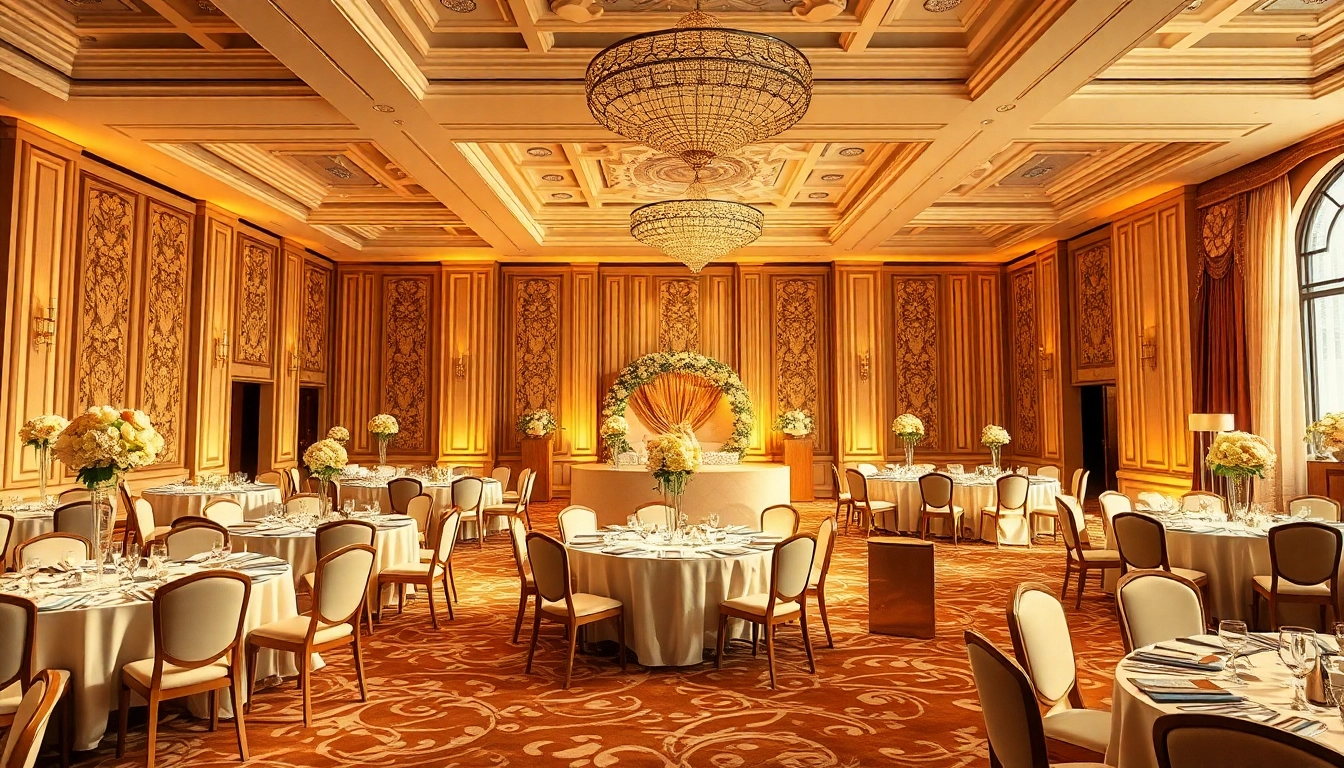
The venue’s aesthetic appeals significantly impact the event experience. Elements such as architectural style, interior design, and view should align with the event’s purpose and mood. For instance, a corporate gala may benefit from a sophisticated venue with elegant decor, while a casual community festival might be better suited in an open-air space with a fun and relaxed atmosphere.
Lighting and color schemes can enhance the ambiance even further. Consider any modifications that might need to be made to bring the vision of the event to life. Collaborating with interior designers or event decorators can yield excellent results, adding layers of sophistication to the venue that resonate with the desired theme.
Designing Event Layouts
Creating Flow and Functional Spaces
The layout of the event space significantly affects its overall functionality and flow. Start with an understanding of attendee movement and create a seamless experience across various zones, such as welcome areas, breakout spaces, and presentation stages.
Utilize floor plans and diagrams to visualize the optimal arrangement. Incorporate elements like signage to guide guests smoothly from one area to another, ensuring they feel welcomed and engaged. Additionally, consider the placement of seating, catering stations, restrooms, and emergency exits to maintain convenience and safety.
Incorporating Branding Elements
Incorporating branding elements throughout the event set-up can reinforce the messages and values the client wishes to convey. This can involve customizing centerpieces, signage, and stage backdrops to align with the company’s brand colors and logos.
Tracking branding consistency will create a cohesive environment that extends throughout the entirety of the event. Also, consider using multimedia displays and digital projection for branding, allowing for interaction and engagement with attendees.
Catering to Different Audiences
Every event will attract a diverse audience with varying preferences and needs. Understanding these differences will guide decisions regarding catering, entertainment, and activities. For example, consider dietary restrictions for food choices, from vegan options to gluten-free alternatives. Ensure activities cater to various interest levels, providing engaging experiences for all attendees.
Utilizing feedback surveys or polling attendees in advance can help gauge interests and preferences to create a more inclusive environment. The success of an event often lies in its ability to resonate with its audience, making this an essential consideration.
Production and Technical Considerations
Lighting Techniques for Different Moods
Lighting plays a significant role in setting the mood of an event. Different lighting techniques can evoke various feelings and enhance design elements. For example, soft, warm lighting creates a cozy atmosphere suitable for weddings, whereas brighter, cooler lighting can energize corporate events.
Utilizing adjustable lighting systems allows for flexibility in design, enabling transitions throughout the event. Employing spotlights can draw attention to speakers or key moments, while ambient lighting enhances the overall aesthetic. Collaborating with lighting experts can yield unique solutions tailored to the event’s specific needs.
Audio-Visual Equipment Essentials
Quality audio-visual equipment is a cornerstone for any successful event. Invest in reliable microphones, speakers, projectors, and screens to ensure clarity and efficiency in communication. Poor audio quality can distract attendees and detract from key messages, while high-quality visuals can enhance the audience’s understanding and engagement.
Further, ensure that all necessary technical support personnel are available on-site to manage any issues or technical hiccups instantly. This allows for a seamless experience, as they can troubleshoot unforeseen complications promptly.
Creating an Engaging Atmosphere
Engagement is a primary goal for many events. To create an engaging atmosphere, consider incorporating interactive elements such as live polls, Q&A sessions, or hands-on activities. These components encourage participation and foster connection among attendees.
Additionally, think about entertainment options that align with the audience’s interests, from professional speakers to musicians or entertainers. Establishing a balance between structured scheduling and spontaneous interaction can keep the event lively and relevant without overwhelming participants.
Post-Event Evaluation and Feedback
Gathering Attendee Feedback
Following an event, gathering attendee feedback is crucial for assessing its success and understanding areas for improvement. Utilize methods such as surveys, interviews, or informal discussions to capture insights on attendee experiences.
Ask specific questions related to the event’s organization, content, speakers, and overall enjoyment. Ensure that questions are clear and allow for open-ended responses, offering opportunities for attendees to express opinions. This will yield qualitative data and valuable insights that can inform future events.
Analyzing Success Metrics
Evaluation should go beyond collecting feedback; quantitatively analyzing success metrics is equally essential. Consider key performance indicators such as attendance rates, participant engagement, and social media mentions to gauge the overall impact of the event.
Documenting these metrics allows for a quantitative review alongside qualitative feedback, presenting a more comprehensive view of the event’s performance. This data serves not only for improving future events but also for showcasing success to stakeholders.
Planning for Future Events
Utilizing insights and data collected from the event evaluation, begin planning for future events strategically. Identify recurring themes in attendee feedback that can address common challenges or areas needing enhancement.
Iterate on successful elements by incorporating them into upcoming events, while remaining open to changes that emerge from valuable feedback. By adopting a proactive approach grounded in analysis, event planners can continually elevate experiences and meet evolving audience needs.
FAQs About Event Planning
What is the first step in planning an event?
The first step is to have a thorough discussion with the client to understand their vision, objectives, and target audience. Establishing clear requirements is essential.
How do I choose the right venue for my event?
Consider factors such as size, location, aesthetic appeal, and available amenities. Ensure the venue aligns with the nature of your event and guest accessibility needs.
What should I include in an event budget?
Include all costs related to venue, catering, entertainment, decorations, staff, and equipment rental. Always leave room for unexpected expenses.
How can I make my event more engaging for attendees?
Incorporate interactive elements such as live polling, Q&A sessions, and networking opportunities to foster engagement and participation throughout the event.
Why is gathering feedback important after an event?
Feedback provides insights into attendee experiences, helping identify areas of improvement and successes that can be leveraged for future events.


