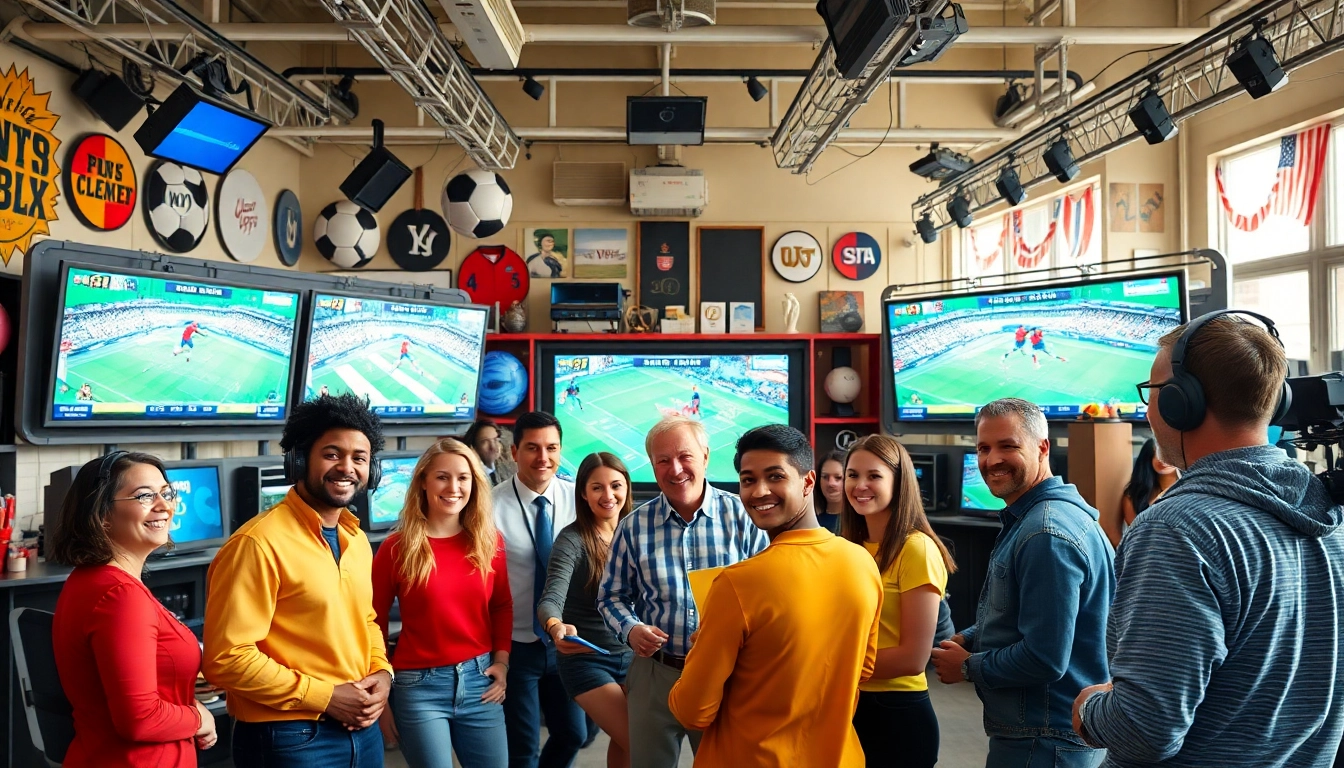
The Importance of Sports Broadcasting
Sports broadcasting plays a pivotal role in connecting fans with the games they love. As a medium that transcends geographical boundaries, it allows millions of viewers to experience the thrill of live sports from their homes, fostering a shared enthusiasm that strengthens sports culture. The importance of this field, with its unique blend of entertainment, information, and community engagement, cannot be overstated. Through innovative technologies and strategic content delivery, Sports Broadcasting is evolving, continually adapting to meet the needs of its diverse audience.
Understanding Its Role in Sports Culture
At its core, sports broadcasting serves more than just the purpose of reporting scores and statistics; it creates narratives that resonate with viewers. Commentators bring the excitement of live action into homes, helping to build a shared experience among fans. Iconic moments, such as game-winning goals or thrilling comebacks, are immortalized through broadcasts, shaping the identities of both teams and players within the broader cultural context.
The role of sports broadcasters extends to the creation of community. They provide a platform for fans to connect, engage, and express their passion for the sports they follow. From local high school games to the grandeur of the Olympics, broadcasting fosters a sense of belonging in a way few other forms of media can.
Economic Impact on the Industry
The financial implications of sports broadcasting are significant. It generates billions in revenue through advertising, sponsorships, and broadcasting rights. Major sports leagues negotiate lucrative contracts with networks, enabling them to promote their branding while reaching wide audiences. This symbiotic relationship boosts not only the leagues but also the advertisers, creating a dynamic marketplace where various stakeholders thrive.
Additionally, sports broadcasting feeds into the local economy, particularly during major events. Cities hosting games experience spikes in tourism, hospitality, and related services, thus reinforcing the economic footprint of the sports sector. This growth presents opportunities for local businesses to capitalize on the sports industry’s momentum, fostering a vibrant community ecosystem.
Enhancing Fan Engagement
As technology continues to advance, sports broadcasting has become increasingly interactive. Viewers are not just passive consumers of content; they actively engage through social media platforms, opinion polls, and live chats during broadcasts. Organizations are leveraging platforms like Twitter and Instagram to create interactive experiences, keeping fans invested in real-time game analysis and commentary.
Moreover, technological advancements such as AR and VR are beginning to reshape fan engagement. These immersive experiences allow viewers to feel as though they are part of the action, bridging the gap between spectatorship and participation.
Key Skills for Sports Broadcasting Success
Communication Techniques
At the heart of sports broadcasting lies effective communication. Broadcasters must articulate their thoughts clearly and engagingly, whether delivering play-by-play commentary or analyzing game strategies. This requires not only mastery of language but also an ability to create vivid imagery that captures the excitement of sporting events.
In addition to verbal communication, non-verbal skills such as body language and facial expressions play a significant role in conveying enthusiasm and relatability. Broadcasters must connect emotionally with their audience, delivering their narratives with authenticity and passion.
Analysis and Research
Successful sports broadcasters invest considerable time in research and analysis. Understanding player statistics, historical performance, and contextual narratives is vital for providing viewers with insightful commentary. This depth of knowledge enhances credibility and helps create a richer viewing experience.
Analytical skills extend beyond statistics. Broadcasters should have a finger on the pulse of current events affecting teams, players, and leagues, allowing them to deliver timely and relevant insights during broadcasts.
Technical Proficiency
With the integration of technology into sports broadcasting, technical proficiency is no longer optional—it’s essential. Broadcasters must be comfortable using various broadcasting equipment and software for production, editing, and live broadcasting. Familiarity with analytics tools and streaming technologies is also beneficial, enabling better content delivery and audience engagement.
In an age where digital platforms thrive, understanding how to navigate these tools effectively can set a broadcaster apart, allowing them to contribute more creatively and efficiently to their team’s mission.
Best Practices in Sports Broadcasting
Preparing for a Live Event
Preparation is key to delivering a successful broadcast. This entails not only familiarizing oneself with the teams and players but also understanding the logistics of the broadcast. Broadcasters should create a detailed game plan, including pre-game analysis, narrative highlights, and key points to communicate during the event.
Conducting interviews with coaches and players prior to the game can provide valuable insights, which can be relayed during the broadcast to enhance viewer engagement. The more prepared a broadcaster is, the more effectively they can respond to events as they unfold live on air.
Building a Connection with the Audience
Establishing and nurturing a connection with the audience is paramount in sports broadcasting. This connection is built through relatability, consistency, and engagement. Broadcasters must strive to understand their audience’s preferences and tailor content accordingly, fostering a loyal viewer base.
Using viewer feedback to enhance future broadcasts will enable broadcasters to refine their approach continually, ensuring that they remain relevant and resonate with their audience’s interests and emotional investments.
Utilizing Social Media Effectively
Sports broadcasters must embrace social media as an integral part of their broadcasting strategy. Platforms like Facebook, Twitter, and Instagram facilitate real-time interaction with the audience, providing a forum for discussions, engagements, and sharing highlights. Live tweeting during games or sharing behind-the-scenes content can help maintain audience interest and involvement.
Engagement through social media can also provide valuable metrics to assess audience sentiment and preferences—data that can inform future broadcasts and content creation strategies.
Challenges Faced by Sports Broadcasters
Handling Unexpected Events
Every sports event is susceptible to unpredictability: weather changes, injuries, or sudden rule changes can significantly impact the flow of a broadcast. Broadcasters must be nimble and adaptive, adeptly pivoting their commentary and focus in response to those unexpected events.
Staying calm and efficiently communicating changes to the audience is vital. Implementing contingency plans during preparation can ensure that broadcasters navigate unexpected scenarios with grace and professionalism.
Navigating Viewer Expectations
The viewer’s expectations for sports broadcasts continue to evolve, driven by the rise of interactive content and on-demand viewing. Broadcasters must consistently deliver high-quality, informative content that meets or exceeds these expectations. This requires understanding what fans want from their viewing experience, from in-depth analyses to entertaining commentary.
Continuous market research can help broadcasters stay in tune with viewer preferences, ensuring content remains relevant and engaging.
Technology and Adaptations
As technology continues to evolve, so too must sports broadcasters. Keeping pace with new broadcasting techniques, digital platforms, and audience engagement tools is essential for sustained success in this industry. Broadcasters must be proactive in learning about new technologies and how to use them effectively to enhance their broadcasts.
Investing in training and professional development opportunities can be beneficial, allowing broadcasters to stay current with emerging trends and practices.
The Future of Sports Broadcasting
Emerging Technologies
The future of sports broadcasting promises to be shaped by several emerging technologies. Innovations such as 5G networks will enhance streaming capabilities, enabling more reliable and higher-quality broadcasts. Additionally, augmented and virtual reality technologies are opening new doors for fan engagement, allowing viewers to experience events from unique perspectives.
As these technologies mature, they will undoubtedly redefine the traditional broadcasting model, offering new avenues for storytelling and audience interaction.
Trends Shaping Viewer Experience
Viewer experience is at the center of an ongoing evolution in sports broadcasting. The rise of personalized content is leading to tailored viewing experiences that cater to individual preferences. As broadcasters leverage AI and machine learning, viewers can expect customized highlights and targeted analyses based on their interests.
Moreover, the integration of eSports presents new opportunities for collaboration and audience engagement, expanding the realm of sports beyond traditional boundaries.
Opportunities for New Talent
The changing landscape of sports broadcasting is generating opportunities for new talent. As digital platforms proliferate, young broadcasters with a strong understanding of social media and digital content creation are in high demand. Innovative concepts, fresh perspectives, and adaptability to the new media environment are qualities that will be essential for future professionals in the field.
Education and training programs focusing on relevant skills will empower aspiring broadcasters, equipping them to excel in this dynamic industry.
FAQs
What qualifications do I need for a career in sports broadcasting?
A degree in journalism, communications, or a related field is beneficial. Experience through internships, practice, and networking can also prove invaluable.
How does technology impact sports broadcasting?
Technology enhances viewing experiences through improved quality, interactive features, and new formats, allowing for greater audience engagement.
What skills are essential for sports broadcasters?
Essential skills include effective communication, analytical ability, technical proficiency, and adaptability to new technologies and trends.
How do broadcasters prepare for live sporting events?
Broadcasters conduct detailed research, develop narratives, and connect with players and coaches, creating a well-structured plan to guide their commentary.
What is the future of sports broadcasting?
The future includes increased personalization, emerging technologies like VR and AR, and new platforms fundamentally redefining viewer engagement.