
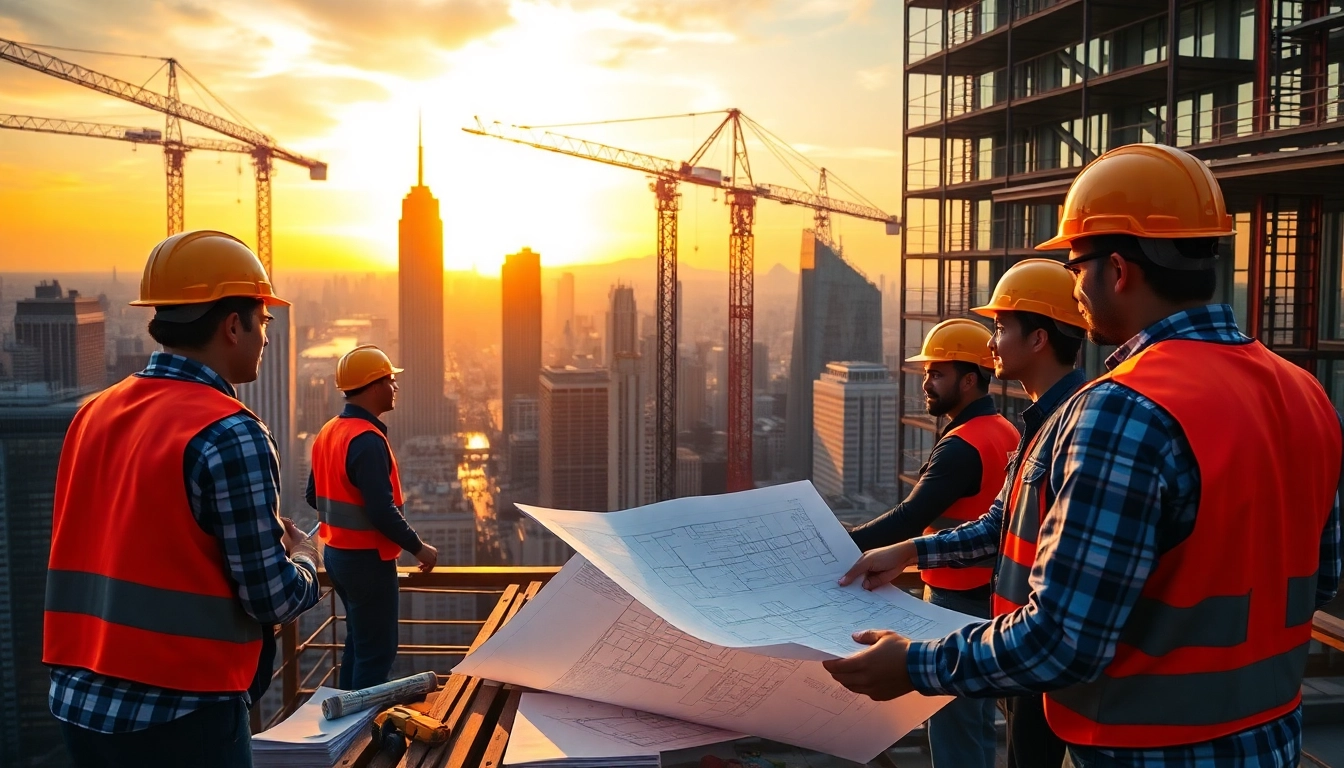
Understanding the Role of a New York City Commercial General Contractor
The Importance of General Contractors
In the bustling environment of New York City, where construction projects abound, the role of a general contractor cannot be overstated. A New York City Commercial General Contractor acts as the backbone of any commercial construction project, ensuring that every stage runs smoothly—from the initial design to the final build. They oversee and coordinate all aspects of construction, bridging the gap between architects, subcontractors, and clients.
Key Responsibilities of a General Contractor
General contractors have a multitude of responsibilities, including:
- Managing the construction schedule.
- Supervising subcontractors and ensuring quality standards.
- Coordinating the supply chain for materials.
- Adhering to safety regulations and building codes.
- Serving as a point of contact for clients throughout the project.
These responsibilities require not only technical expertise but also strong interpersonal skills to manage diverse teams and keep clients informed and satisfied.
What Makes a Contractor Stand Out?
In a competitive market like New York City, distinguishing oneself as a general contractor hinges on several factors:
- Reputation: A strong track record and positive client testimonials can significantly influence a contractor’s standing.
- Communication Skills: Being transparent and clear in all communications fosters trust.
- Project Management Abilities: Utilizing effective project management systems to streamline processes is essential.
- Innovative Solutions: The best contractors adapt to challenges with innovative construction methods and materials.
Evaluating Qualifications of New York City Commercial General Contractors
Licensing and Certification Requirements
Before hiring a contractor, it’s crucial to verify their licensing and certification. In New York City, contractors must hold the necessary licenses issued by the Department of Buildings, which verifies their capability to undertake commercial projects. In addition, certifications from recognized organizations indicate a commitment to industry standards and continued education.
Assessing Experience in Commercial Projects
Experience is one of the best indicators of a contractor’s ability to deliver quality work. Review their portfolio for past commercial projects, noting the size, complexity, and types of structures. Contractors with a diverse range of completed projects can tackle various challenges, adapting their approach as necessary.
Building a Portfolio of Successful Projects
A robust portfolio is vital for any contractor. It should highlight significant commercial projects, including images, project descriptions, and client feedback. A portfolio not only showcases the contractor’s style but also their versatility in handling different types of projects, which is essential in a dynamic city like New York.
Cost Considerations for Hiring a New York City Commercial General Contractor
Understanding Pricing Structures
Pricing structures for general contractors can vary widely, typically falling into one of three categories: fixed-price contracts, cost-plus contracts, and time and materials contracts. Fixed-price contracts offer predictability for clients, as the total cost is agreed upon upfront. Cost-plus contracts reimburse the contractor for actual costs plus a percentage for profit, which can benefit complex projects where exact costs are hard to estimate. Time and materials contracts charge based on the time worked and materials used, ideal for projects with uncertain scopes.
Factors Affecting Project Costs
Several variables can affect the overall costs of construction projects, including:
- The complexity of the project.
- Quality and availability of materials.
- Labor costs in NYC, which can fluctuate.
- Regulatory and permit-related expenses.
- Seasonality, which can impact timelines and availability of services.
Strategies to Control Expenses
Managing costs is crucial for any construction project. Here are some strategies to help control expenses:
- Set a Realistic Budget: Establish a comprehensive budget that includes all potential costs, including contingencies.
- Choose Quality Over Cost: Investing in quality materials and skilled labor can save on future repair and maintenance costs.
- Regular Monitoring: Keep track of expenses and progress through detailed reporting to avoid budget overruns.
- Collaborative Planning: Engage in early discussions with your contractor to optimize designs and reduce costs before construction begins.
Effective Communication with Your New York City Commercial General Contractor
Establishing Clear Expectations
Successful projects rely on the establishment of clear expectations between clients and contractors. From the outset, discuss project goals, timelines, and budget considerations. Document these expectations thoroughly and ensure both parties understand and agree before moving forward.
Regular Progress Updates and Meetings
Consistent communication is vital throughout the construction process. Schedule regular meetings to discuss progress, challenges faced, and solutions. Implement transparency by using project management tools that allow clients to view real-time updates on project status.
Resolving Issues Promptly
Challenges such as delays or unexpected costs can arise during any construction project. Creating a clear plan for addressing these issues is crucial. Set up an open line of communication for discussing problems as they occur, which allows for collaborative problem-solving and mitigates potential delays.
Trends in Commercial Construction in New York City
Sustainable Building Practices
As environmental concerns grow, sustainable construction practices are increasingly integrated into commercial projects. This includes the use of energy-efficient materials, sustainable sourcing, and adherence to green building certifications, such as LEED. Being forward-thinking about sustainability not only meets regulatory standards but also appeals to environmentally-conscious clients.
Innovative Materials and Technology
The construction industry is rapidly evolving with the introduction of innovative materials and technologies. This includes using prefabrication methods, smart building technologies, and advanced materials such as engineered wood and insulation products that enhance energy efficiency. Keeping up with these innovations can provide a competitive edge.
Future of Urban Development
As urban areas expand, the future of commercial construction hinges on designing spaces that evenly blend functionality, community, and sustainability. Architects and contractors are focusing on creating mixed-use developments that foster community engagement while addressing the complexities of urban living.
FAQs
What is the role of a commercial general contractor?
A commercial general contractor manages all aspects of a construction project, including scheduling, resource management, subcontractor oversight, and client communication.
How do I choose the right contractor for my project?
Evaluate potential contractors based on their experience, licensing, successful project history, client reviews, and ability to communicate effectively.
What costs should I expect when hiring a contractor?
Costs typically include labor, materials, permits, and associated project management fees, which can vary based on project size and complexity.
How can I ensure effective communication with my contractor?
Establish clear expectations from the start, schedule regular updates, and have an open line of communication to address issues promptly.
What are the latest trends in commercial construction?
Current trends include sustainable building practices, the use of innovative materials, and a focus on mixed-use developments that promote community interaction.